Antoine de Macedo
Watchmaker, Paris
On time, instinct and the things we choose to keep.
Paris, 2026
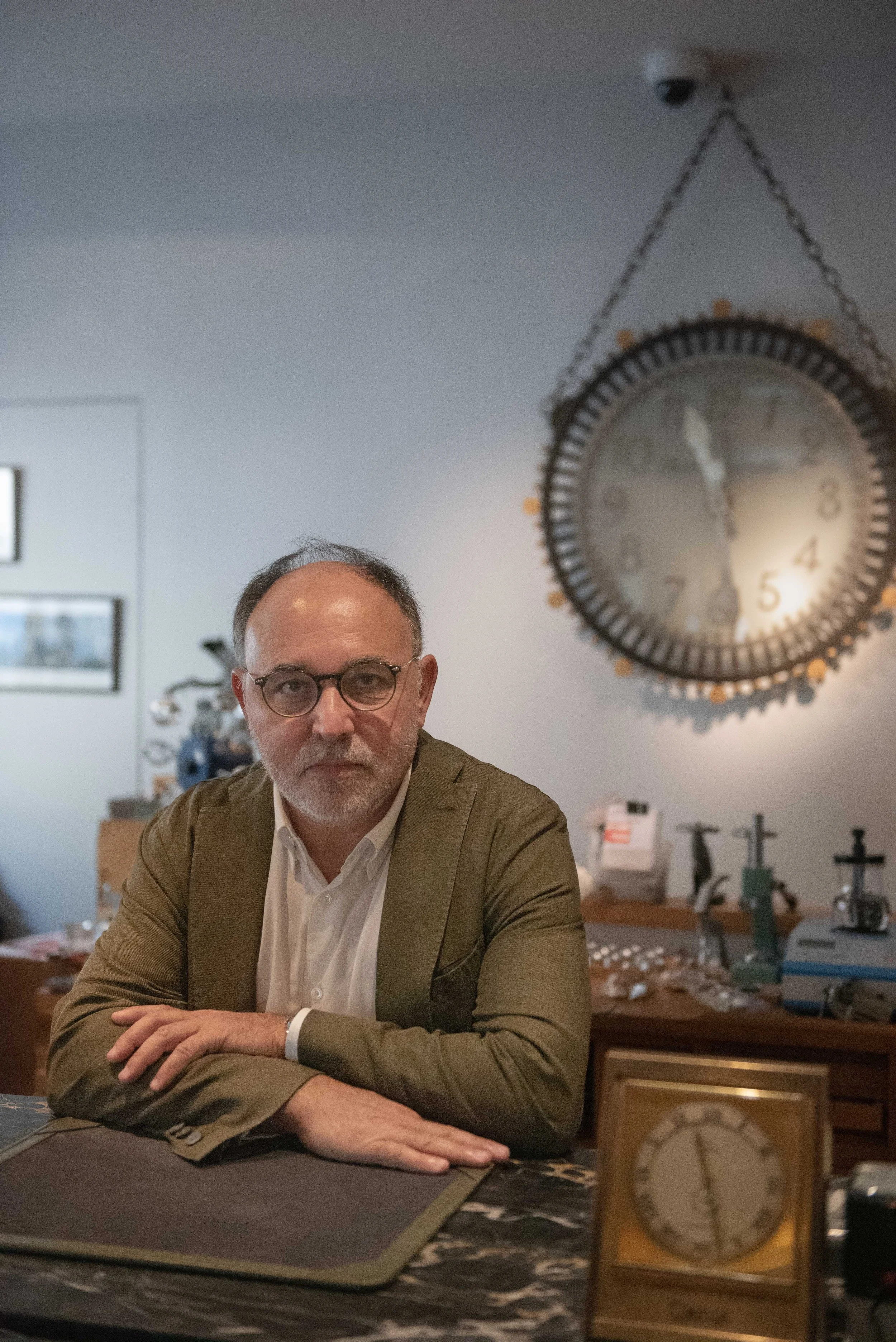
At nine years old, Antoine de Macedo became an apprentice watchmaker.
It wasn't his idea.
His mother worked as a cleaner in a watch and jewellery shop. His father decided that this was where his son would learn a trade.
So while other children played football, Antoine spent his Wednesdays, Saturdays and school holidays at the workbench.
“I didn't really have much of a childhood.”
By fourteen, he already knew how to work on watches.
What he didn't know was why.
That changed when he left home to attend watchmaking school as a boarder in the Doubs, in eastern France.
Most students learned theory before practice.
Antoine had done it the other way around.
“I knew how to do the work. I just didn't know why I was doing it.”
The theory gave meaning to what his hands had already learned.
Decades later, he is still a watchmaker.
Only now, people cross oceans to find him.
By instinct
At 28 Rue Madame in Paris, Antoine has created something increasingly unusual.
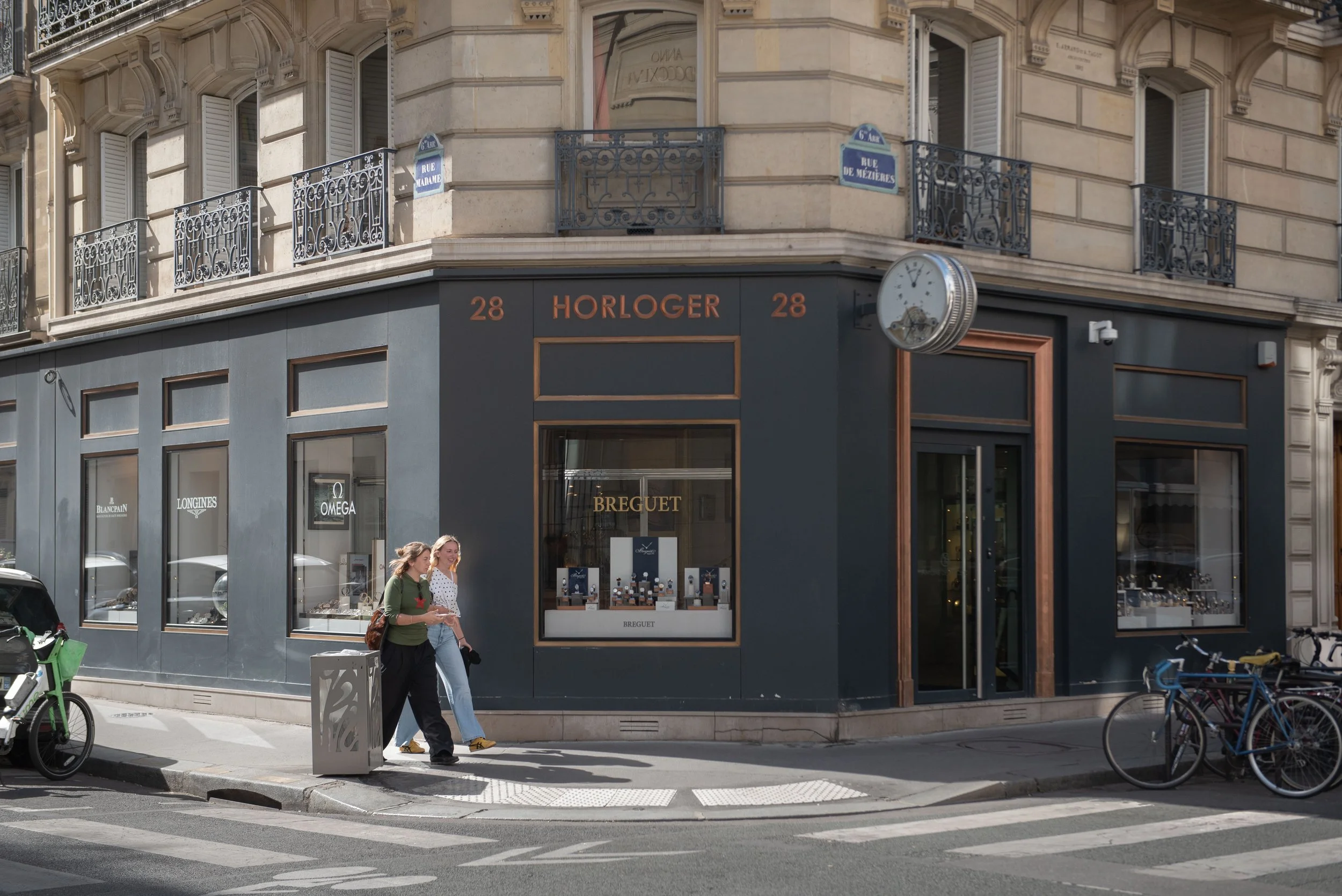
The shop holds almost a century of wristwatches. Vintage pieces sit alongside clocks, books, tools and objects accumulated over the years.
But the difference isn't simply what is inside the cabinets.
The people selling the watches are watchmakers.
Antoine began as a repairer. Commerce came later, almost naturally.
“I always wanted to combine watchmaking with the human side of being a shopkeeper.”
Paris helped.
People arrive from all over the world, sometimes travelling specifically to visit the shop.
For Antoine, that remains remarkable.
“The world comes to us.”
The way that world finds him has changed completely.
There was a time when an article in Le Figaro could transform a business. Today, someone can walk through the door, share what they have discovered and reach an international audience almost immediately.
Instagram and the internet have changed the way watches are discovered, discussed and sold.
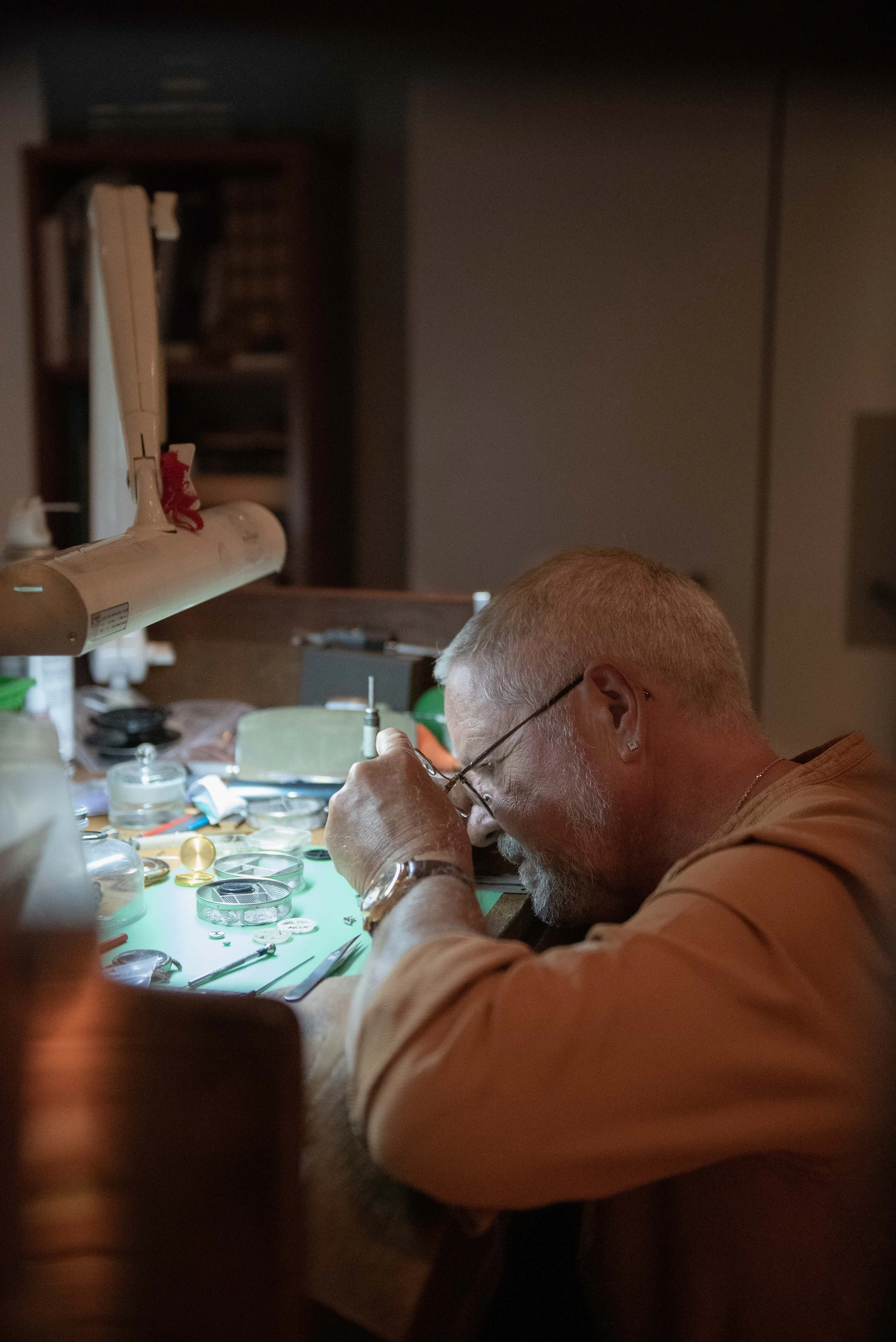
The workbench, however, has changed remarkably little.
“In the workshop, not much has changed. We still work with empirical methods.”
For all the precision of his profession, Antoine says much of his own path has been guided by something less measurable.
Instinct.
“I've always worked by instinct. It was my first form of intelligence.”
And when asked what the profession has taught him about himself, his answer is even shorter.
“Humility, perhaps.”
What we choose to keep
There is a peculiar contradiction at the heart of mechanical watchmaking.
We no longer need watches to know the time.
It is on our phones, computers, ovens and car dashboards. A connected watch can do vastly more than a mechanical one ever will.
Antoine laughs at the contradiction.
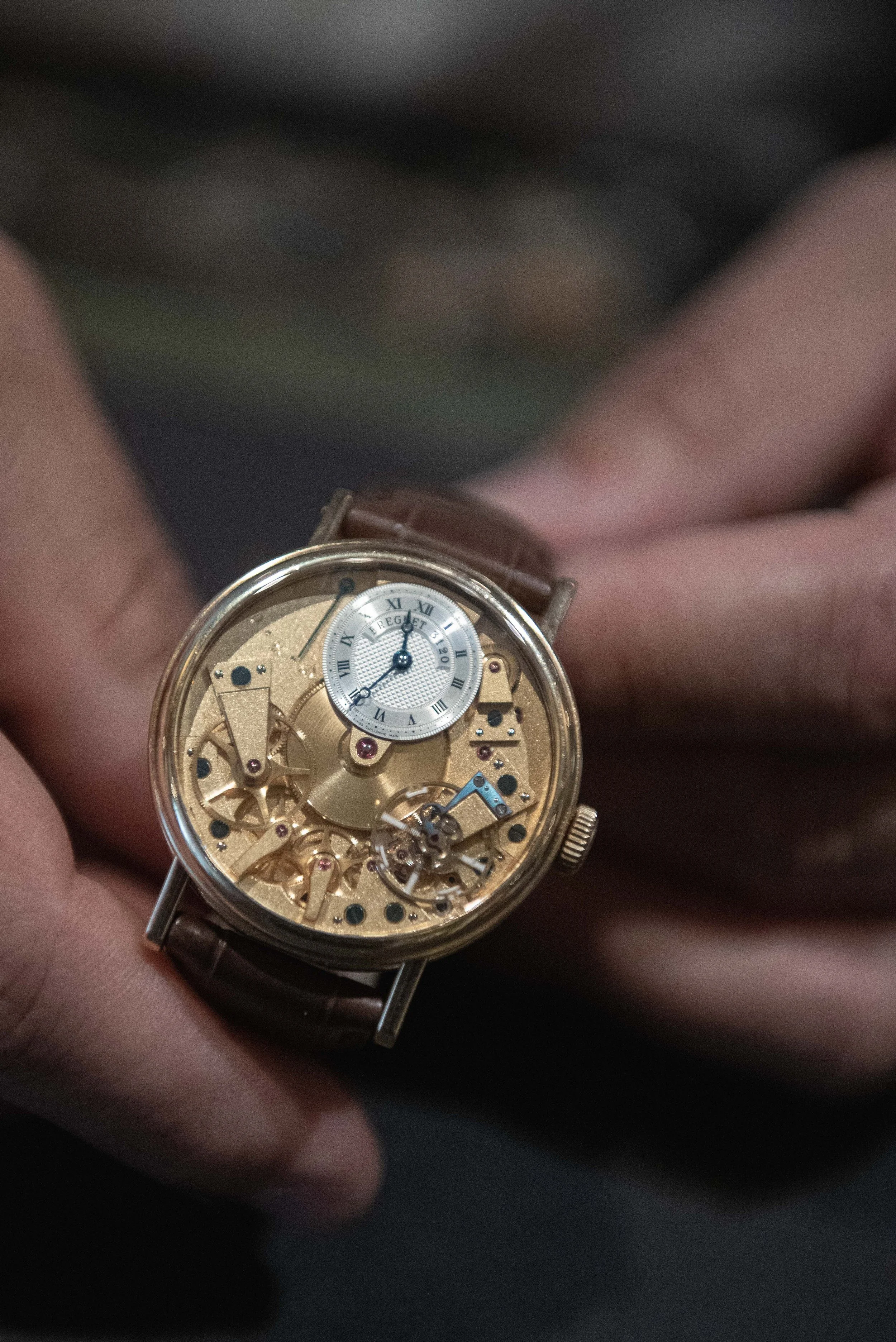
“A mechanical watch is Stone Age.”
And yet we continue to want them.
For their beauty. Their mechanics. Their craftsmanship. Sometimes their status.
But also for something harder to quantify.
Attachment.
“If an object speaks to you, you buy it.”
He has little interest in telling someone what they should like.
Art Deco. Rococo. Modernism. A particular watch.
Taste changes. What one generation dismisses, another rediscovers. Objects once considered unfashionable become desirable again, while things that commanded enormous value can fall out of favour.
Predicting what people will want fifty years from now is therefore almost impossible.
His advice is considerably simpler.
“Buy what you love.”
And if the primary objective is investment?
“Buy gold bars.”
He smiles.
“They're just not very sexy.”
The two worlds
Antoine describes himself as belonging to a generation that has known two worlds.
The world before.
And the world after.
He remembers being in the countryside and having to walk kilometres to find a telephone box.
Today, almost everything — and everyone — can be reached immediately.
He isn't nostalgic about inconvenience.
Modernity has made many things easier.
But something has been exchanged for it.
Freedom, perhaps.
A message arrives and, almost without noticing it, we feel obliged to answer.
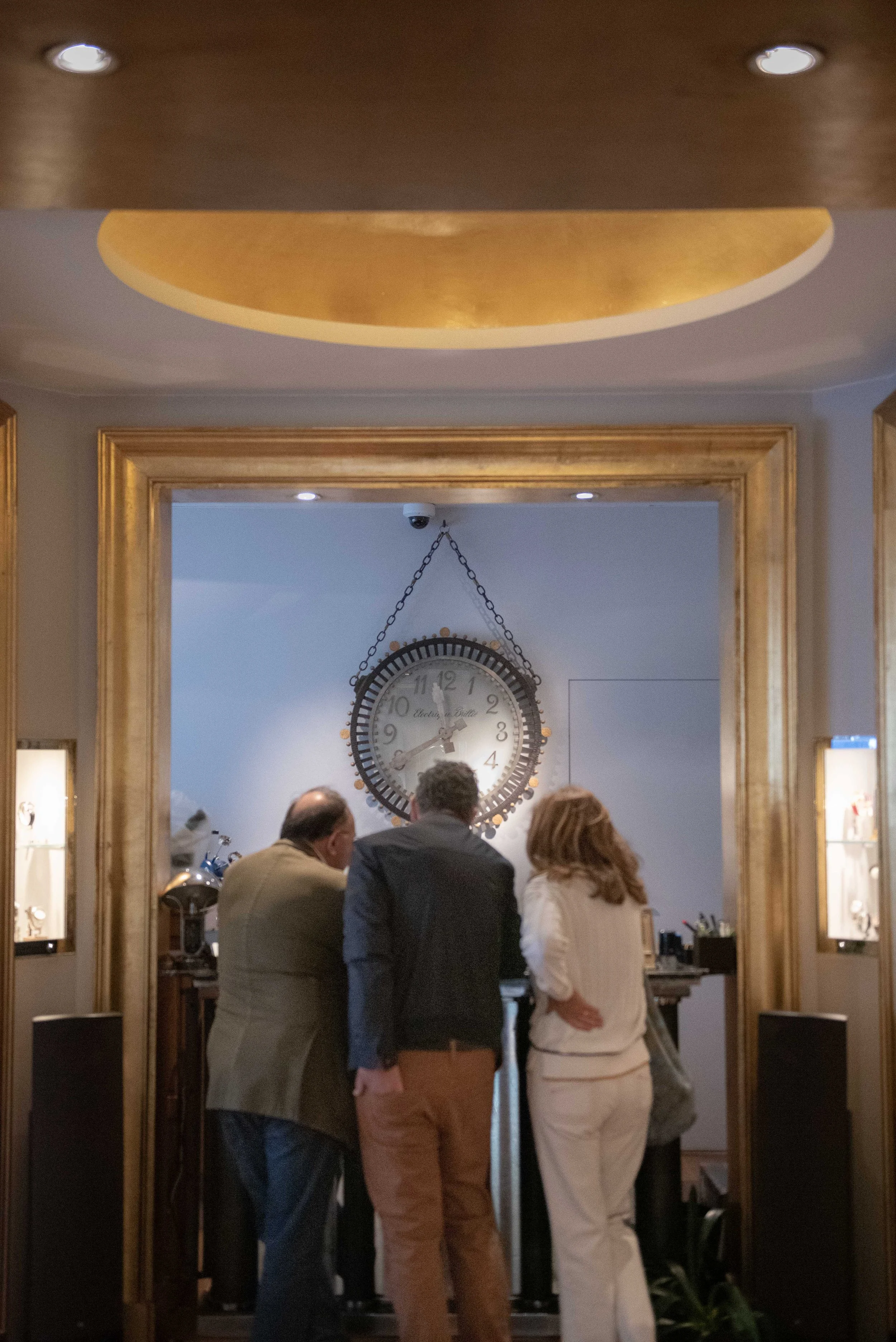
There is always something to look at. Something to read. Something asking for our attention.
And this, Antoine believes, leaves less room for something we once had more of.
Daydreaming.
Hours disappear into screens. Hours not spent with other people, reading, pursuing a pastime or simply being alone with one's thoughts.
For a man who has spent his life surrounded by instruments designed to measure time, it is a striking observation.
Because time, he knows, is finite.
His profession has taught him that in another way too.
A life devoted to work inevitably asks for something in return.
“There isn't much room left for anything else.”
Holidays. Free time. Family life.
Looking back, this is his one regret: having invested so much of himself professionally that, for years, almost everything else came second.
It echoes the childhood with which his story began.
Those Wednesdays.
Those Saturdays.
Those school holidays spent at the workbench.
He has made peace with that now.
As we grow older, he says, we sometimes begin to understand the decisions our parents made that once hurt us.
“The point is to know how to forgive.”
A marker of time
Near the end of our conversation, I ask Antoine whether an old watch can somehow create a pause.
Whether, in a world of acceleration, it might almost stop time.
He corrects me.
“Time doesn't stop.”
But a watch can do something else.
It can hold a memory.
There is the watch inherited from a father or grandfather.
The one received at eighteen.
A watch bought for an engagement.
A wedding.
A first salary.
These are objects that mark periods in our lives.
Unlike many electronic objects designed to be replaced, a mechanical watch can be repaired. Restored. Worn again.
And eventually passed to someone else.
The longer we live with certain objects, Antoine says, the more they acquire an emotional value that has little to do with their price.
Perhaps that is why an object whose original function has become almost obsolete continues to matter.
A watch doesn't merely tell us what time it is.
It reminds us of a time.
“This was the watch from my communion.”
“My eighteenth birthday.”
“My wedding.”
“My first salary.”
Antoine has looked at these objects every day, in one form or another, since he was nine years old.
And after a lifetime spent repairing the instruments with which we measure time, his definition has become remarkably simple.
“A watch doesn't just tell the time. It is a marker of time.”